
Fitness App Development
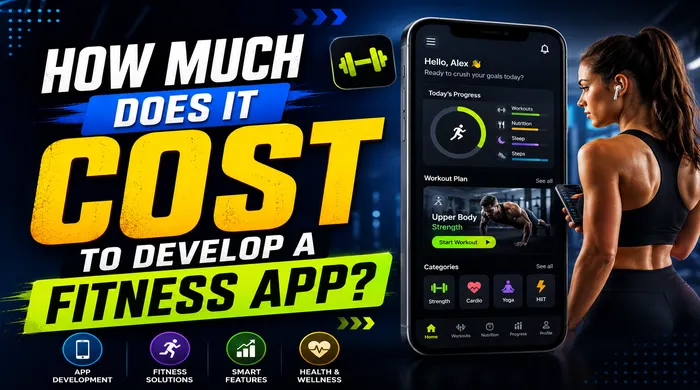
The global fitness app industry has witnessed explosive growth over the last few years, driven by increasing health awareness, wearable device adoption, and the growing demand for personalized wellness experiences. From workout tracking and calorie counting to AI-powered personal coaching and virtual fitness communities, modern fitness applications have transformed how people approach health and wellness.
As the demand for digital fitness solutions continues to rise, startups, gyms, healthcare companies, and entrepreneurs are increasingly investing in fitness app development to capitalize on this rapidly expanding market. However, one of the most common questions businesses ask before entering the health-tech space is: How much does it cost to develop a fitness app?
The answer depends on multiple factors, including app complexity, features, technology stack, platform selection, third-party integrations, UI/UX design, and ongoing maintenance requirements. A basic fitness application may cost significantly less than an enterprise-grade AI-powered fitness platform with wearable integrations and advanced analytics.
In this guide, we will break down the cost of developing a fitness app, the essential features required, advanced technologies shaping the industry, and the key factors that influence development expenses.
Fitness App Market Overview
The fitness app market has evolved far beyond simple workout tracking applications. Today’s users expect highly interactive and personalized experiences that help them achieve specific health goals, whether related to weight loss, muscle gain, meditation, nutrition tracking, or overall wellness improvement.
Several factors are fueling the growth of fitness applications:
- Increased smartphone usage
- Rising awareness about physical and mental health
- Growth of remote fitness and online coaching
- Adoption of wearable fitness devices
- AI-driven health analytics
- Demand for personalized wellness plans
Fitness applications are now used by:
- Gyms and fitness centers
- Personal trainers
- Healthcare providers
- Sports organizations
- Wellness startups
- Nutrition and lifestyle brands
This increasing demand has created a highly competitive market where businesses must focus on innovation, user experience, and advanced technology integration to stand out.
Types of Fitness Apps
The development cost of a fitness app largely depends on the type of application being built. Different categories require different features, integrations, and technologies.
1. Workout and Exercise Apps
These apps provide exercise routines, training videos, fitness challenges, and workout tracking features.
Examples of features:
- Video tutorials
- Exercise libraries
- Progress tracking
- Personalized workout plans
- Fitness reminders
Estimated Cost:
₹6 lakhs – ₹18 lakhs
2. Activity Tracking Apps
These applications track physical activities such as walking, running, cycling, and workouts through GPS and wearable integrations.
Common features include:
- Step tracking
- Distance monitoring
- Heart rate tracking
- GPS mapping
- Wearable synchronization
Estimated Cost:
₹8 lakhs – ₹22 lakhs
3. Nutrition and Diet Apps
Nutrition-focused applications help users manage calories, meal plans, water intake, and dietary goals.
Features include:
- Calorie counters
- Meal planning
- Barcode scanning
- Nutrition analytics
- Recipe recommendations
Estimated Cost:
₹7 lakhs – ₹20 lakhs
4. Personal Trainer and Coaching Apps
These apps connect users with fitness trainers and wellness experts.
Features include:
- Live video sessions
- Chat systems
- Appointment scheduling
- Subscription management
- Progress analytics
Estimated Cost:
₹10 lakhs – ₹30 lakhs
5. Meditation and Wellness Apps
Mental wellness apps are becoming increasingly popular and often include:
- Guided meditation
- Sleep tracking
- Mood monitoring
- Relaxation exercises
- Audio streaming
Estimated Cost:
₹8 lakhs – ₹25 lakhs
Essential Features of a Fitness App
The features included in a fitness application significantly impact the overall development cost.
User Registration & Profiles
Every fitness app requires a secure user management system where users can:
- Register using email or social accounts
- Set health goals
- Track fitness progress
- Manage preferences
Workout and Activity Tracking
Core fitness functionality generally includes:
- Daily activity tracking
- Exercise logging
- Workout history
- Performance analytics
- Goal monitoring
Businesses building scalable health-tech platforms often collaborate with experienced mobile app development services providers to create intuitive and high-performance fitness applications tailored to modern user expectations.
Wearable Device Integration in Fitness Apps
Wearable technology has become one of the biggest growth drivers in the fitness industry. Modern fitness applications are expected to integrate seamlessly with devices such as smartwatches, fitness bands, heart rate monitors, smart scales, and health tracking wearables.
Integration with wearable devices allows fitness apps to collect real-time health and activity data including:
- heart rate
- calories burned
- step count
- sleep quality
- oxygen levels
- workout intensity
- stress monitoring
This real-time synchronization improves user experience significantly because users can track their entire health ecosystem from a single application dashboard.
Fitness apps commonly integrate with:
- Apple HealthKit
- Google Fit
- Fitbit
- Garmin
- Samsung Health
- Amazfit
- Polar devices
Wearable integrations increase development complexity because developers must handle API integrations, real-time data synchronization, Bluetooth communication, and cross-platform compatibility. However, these integrations greatly improve user engagement and retention rates.
For fitness startups and healthcare businesses, wearable integration can also unlock advanced analytics opportunities. Businesses can collect anonymized fitness trends, provide performance insights, and create AI-based recommendations using live biometric data.
Developing scalable wearable-enabled fitness applications requires experienced mobile app development services capable of handling cross-platform compatibility, secure health data processing, and seamless user experiences across devices.
Push Notifications
Notifications help improve engagement through:
- Workout reminders
- Water intake alerts
- Goal achievements
- Promotional offers
- Motivational messages
Social Features
Community-driven engagement has become a major trend in fitness apps.
Popular social features include:
- Challenges
- Leaderboards
- Friend connections
- Community groups
- Achievement sharing
Payment Integration
Subscription-based monetization models require:
- Payment gateways
- Subscription management
- Premium memberships
- In-app purchases
Wearable Device Integration
Fitness apps increasingly integrate with:
- Apple Watch
- Fitbit
- Garmin
- Samsung Health
- Google Fit
Wearable integration adds significant development complexity but enhances user engagement and data accuracy.
Advanced AI Features in Modern Fitness Apps
Artificial intelligence is transforming the fitness industry by enabling highly personalized and data-driven user experiences.
Modern fitness applications are increasingly leveraging AI & ML development services to deliver intelligent workout recommendations, predictive analytics, virtual coaching, and personalized wellness experiences.
AI-Powered Workout Recommendations
AI systems can analyze:
- User fitness levels
- Workout history
- Body metrics
- Goals and preferences
Based on this data, the application can generate customized workout routines and training schedules.
Smart Nutrition Planning
AI-driven nutrition systems can:
- Recommend meal plans
- Track calories automatically
- Suggest dietary improvements
- Analyze eating habits
Virtual AI Fitness Coaches
Many modern fitness apps now include AI-based virtual trainers capable of:
- Guiding workouts
- Providing real-time feedback
- Motivating users
- Monitoring exercise form
Predictive Health Analytics
AI algorithms can help predict:
- Injury risks
- Recovery periods
- Workout effectiveness
- User retention patterns
Although AI features significantly improve user engagement and retention, they also increase overall development costs due to additional infrastructure, machine learning models, and advanced data processing requirements.
Monetization Models for Fitness Apps
Choosing the right monetization strategy is one of the most important decisions during fitness app development because it directly impacts revenue generation, user acquisition, and long-term business scalability. Different fitness applications use different monetization models depending on their target audience, niche, and feature offerings.
The most common monetization model is the subscription-based approach. Users pay monthly, quarterly, or annual fees to access premium workout plans, personalized coaching, nutrition tracking, live classes, and advanced analytics. Subscription models generate recurring revenue and are widely used by successful fitness platforms because they provide predictable cash flow and improve customer lifetime value.
Another popular strategy is the freemium model, where users get access to basic features for free while premium functionalities remain locked behind paid plans. This model helps businesses attract a larger user base initially and later convert active users into paying subscribers.
Many fitness applications also generate revenue through in-app purchases. These may include:
- premium workout programs
- customized diet plans
- virtual coaching sessions
- meditation courses
- fitness challenges
- exclusive video content
Advertising is another monetization option commonly used in free fitness applications. Businesses can display banner ads, sponsored fitness content, or brand collaborations within the app. However, excessive advertisements can negatively impact user experience, so this strategy must be implemented carefully.
Corporate wellness programs are becoming another profitable revenue stream for fitness platforms. Many companies now partner with fitness app providers to offer employee wellness programs, activity tracking, and health improvement initiatives.
Some advanced fitness applications also integrate eCommerce functionality allowing users to purchase supplements, fitness equipment, gym memberships, wearable devices, and wellness products directly through the platform.
As competition increases in the digital fitness industry, businesses are increasingly investing in scalable and user-focused mobile app development services to build monetization-ready fitness platforms capable of supporting subscriptions, in-app purchases, premium memberships, and long-term customer engagement.
Fitness App Development Cost Breakdown
The cost of fitness app development depends heavily on app complexity and feature requirements.
Basic Fitness App
Estimated Cost:
$6,000 – $15,000
Features:
- User registration
- Basic workout tracking
- Push notifications
- Simple dashboard
- Basic analytics
Development Timeline:
2–4 months
Mid-Level Fitness App
Estimated Cost:
$15,000 – $40,000
Features:
- Wearable integration
- Video content
- Subscription management
- Community features
- Advanced analytics
- Nutrition tracking
Development Timeline:
4–7 months
Advanced AI-Powered Fitness Platform
Estimated Cost:
$40,000 – $100,000+
Features:
- AI recommendations
- Real-time coaching
- Telehealth integration
- Advanced wearable synchronization
- Cloud infrastructure
- Predictive analytics
- Multi-platform support
Development Timeline:
8–14 months
Factors Affecting Fitness App Development Cost
Several factors directly influence the total development budget.
1. Platform Selection
Businesses can choose:
- iOS development
- Android development
- Cross-platform development
Developing separate native apps generally costs more than using cross-platform frameworks like Flutter or React Native.
2. UI/UX Design Complexity
Fitness applications require highly engaging and interactive interfaces.
Complex UI elements such as:
- Animated dashboards
- Real-time charts
- Interactive workout screens
- Gamification systems
increase both design and development costs.
3. Third-Party Integrations
Integrations add functionality but also increase complexity.
Common integrations include:
- Payment gateways
- Wearable devices
- GPS tracking
- Video streaming
- Social login systems
- Cloud services
4. Cloud Infrastructure
Fitness apps handling real-time data, video streaming, and wearable synchronization require scalable cloud infrastructure capable of managing high traffic and secure data storage.
5. AI and Data Analytics
Implementing AI functionality requires:
- Machine learning models
- Data training
- Analytics systems
- Recommendation engines
This significantly impacts overall development costs.
Technology Stack Required
The technology stack selected for fitness app development plays a crucial role in scalability, performance, and maintenance.
Frontend Technologies
- Flutter
- React Native
- Swift
- Kotlin
Backend Technologies
- Node.js
- Django
- Laravel
- Spring Boot
Database Solutions
- PostgreSQL
- MongoDB
- Firebase
Cloud Platforms
- AWS
- Google Cloud
- Microsoft Azure
AI & Analytics Tools
- TensorFlow
- OpenAI APIs
- PyTorch
- Google ML Kit
Monetization Models for Fitness Apps
Choosing the right monetization strategy is critical for profitability.
Subscription Model
Users pay monthly or yearly fees for premium content and advanced features.
Popular in:
- Workout apps
- Meditation platforms
- Nutrition apps
Freemium Model
Basic features remain free while advanced functionality requires payment.
In-App Purchases
Apps can sell:
- Personalized training plans
- Diet consultations
- Premium challenges
- Virtual coaching sessions
Advertising
Some fitness apps generate revenue through:
- Sponsored content
- Display ads
- Brand collaborations
Challenges in Fitness App Development
Developing a successful fitness app involves several technical and operational challenges.
User Retention
Many users abandon fitness apps after initial downloads. Maintaining long-term engagement requires:
- Gamification
- Personalization
- Community features
- Consistent updates
Data Security and Privacy
Fitness apps collect sensitive health and personal information.
Businesses must ensure:
- Secure authentication
- Encrypted data storage
- Regulatory compliance
- Privacy protection
Device Compatibility
Supporting multiple devices, screen sizes, and wearables increases testing and development complexity.
Scalability
As user bases grow, applications must handle:
- Large volumes of data
- Real-time synchronization
- Increased server loads
- High traffic spikes
How to Choose the Right Fitness App Development Company
Selecting the right development partner is one of the most important decisions for project success.
Businesses should evaluate:
- Industry experience
- Technical expertise
- Portfolio quality
- UI/UX capabilities
- AI and wearable integration expertise
- Scalability planning
- Post-launch support
An experienced development company can help optimize costs, reduce development risks, and ensure long-term scalability.
Future Trends in Fitness App Development
The fitness app industry is evolving rapidly as new technologies reshape how users interact with digital health platforms. Businesses planning long-term investments in fitness technology must understand emerging trends that will define the future of the industry.
One of the biggest trends is hyper-personalization powered by AI and behavioral analytics. Future fitness applications will provide fully adaptive workout programs that evolve automatically based on user progress, fatigue levels, recovery patterns, and health data collected from wearables.
Another growing trend is immersive fitness experiences using augmented reality (AR) and virtual reality (VR). AR-powered workout guidance and VR fitness classes are creating more engaging home workout environments that simulate real gym experiences.
Gamification will also continue expanding. Fitness apps increasingly use leaderboards, rewards, challenges, social competitions, and achievement systems to improve motivation and user retention. Social fitness communities are becoming powerful growth drivers for subscription-based fitness platforms.
Telehealth and remote wellness integration are also becoming increasingly important. Many fitness applications now integrate virtual consultations with nutritionists, trainers, physiotherapists, and healthcare professionals directly within the platform.
Voice-enabled fitness assistants, AI-powered meal planning, real-time biometric coaching, and predictive health analytics are expected to become mainstream features in next-generation fitness applications.
As competition increases, businesses that invest in scalable technology, personalized user experiences, and intelligent fitness ecosystems will gain significant advantages in the rapidly growing digital fitness market.
Conclusion
Fitness applications have become one of the fastest-growing segments in the digital health industry, offering enormous opportunities for startups, gyms, healthcare providers, and wellness brands. However, the cost of developing a fitness app varies significantly based on app complexity, features, platform selection, AI capabilities, and infrastructure requirements.
A basic fitness application may cost around ₹5–12 lakhs, while advanced AI-powered fitness ecosystems with wearable integrations and intelligent analytics can exceed ₹50 lakhs or more. Businesses planning long-term success should focus not only on initial development costs but also on scalability, user engagement, data security, and ongoing innovation.
As the fitness industry continues evolving, modern users increasingly expect personalized, AI-driven, and highly interactive digital experiences. Investing in the right technologies and partnering with experienced development professionals can help businesses build competitive fitness platforms capable of delivering long-term growth and user retention in the rapidly expanding health-tech market.